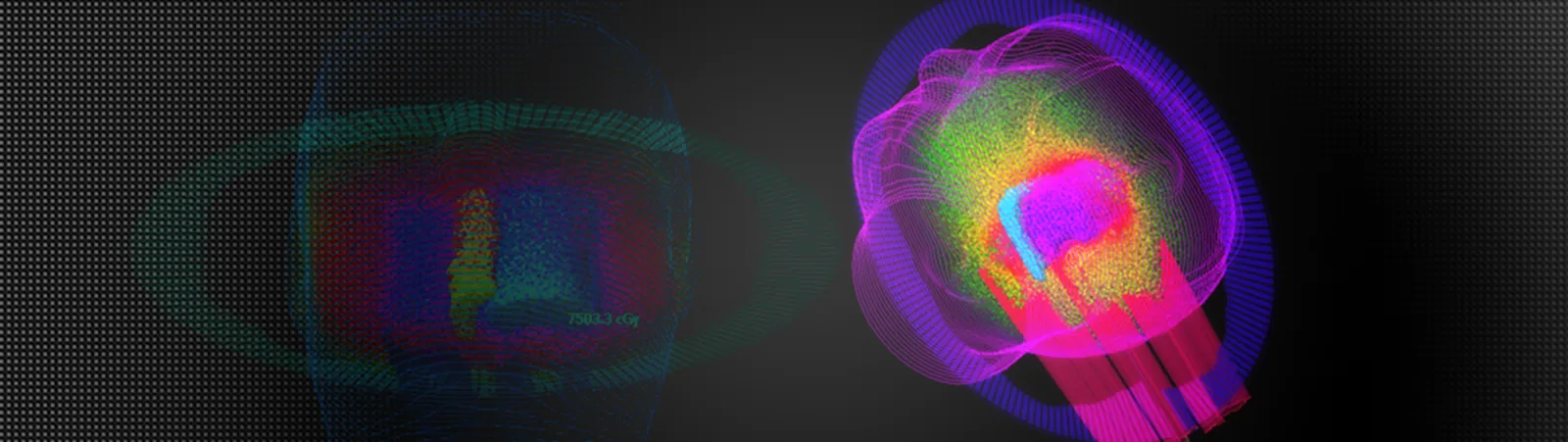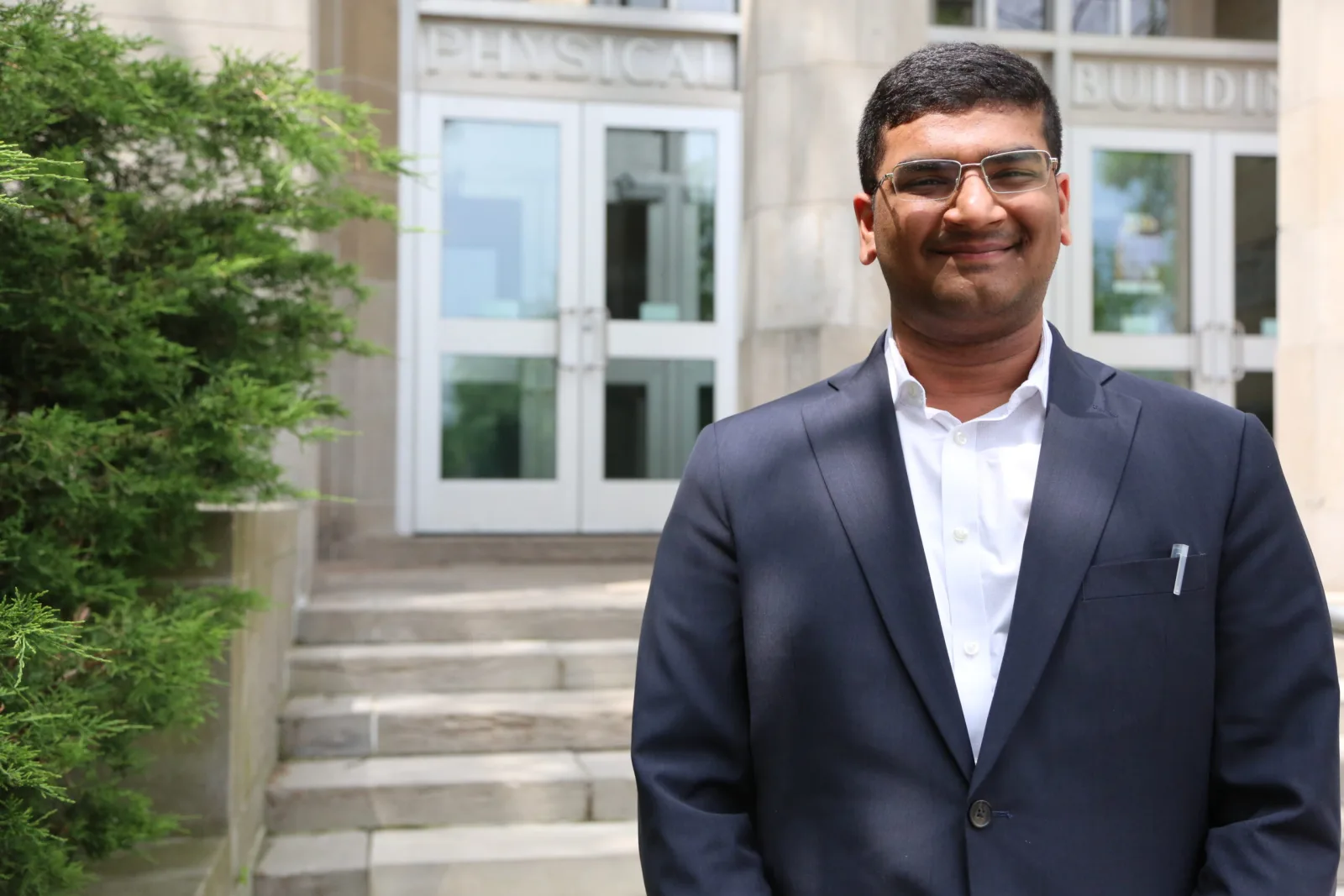

I’m a Medical Physics PhD student at UW–Madison, researching artificial intelligence (AI) for imaging and cancer care. Outside the lab, I’m drawn to motorsport, music, and the outdoors.
I came to medical physics through a love of building things and a desire to make them useful. That curiosity has taken me from McMaster to radiation oncology research at UAB, and now to a PhD at UW–Madison.
I’m interested in how AI and vision-language models can help us understand medical images and improve cancer care. Outside research, you’ll find another side of me in motorsport, riding, diving, music, and making things.
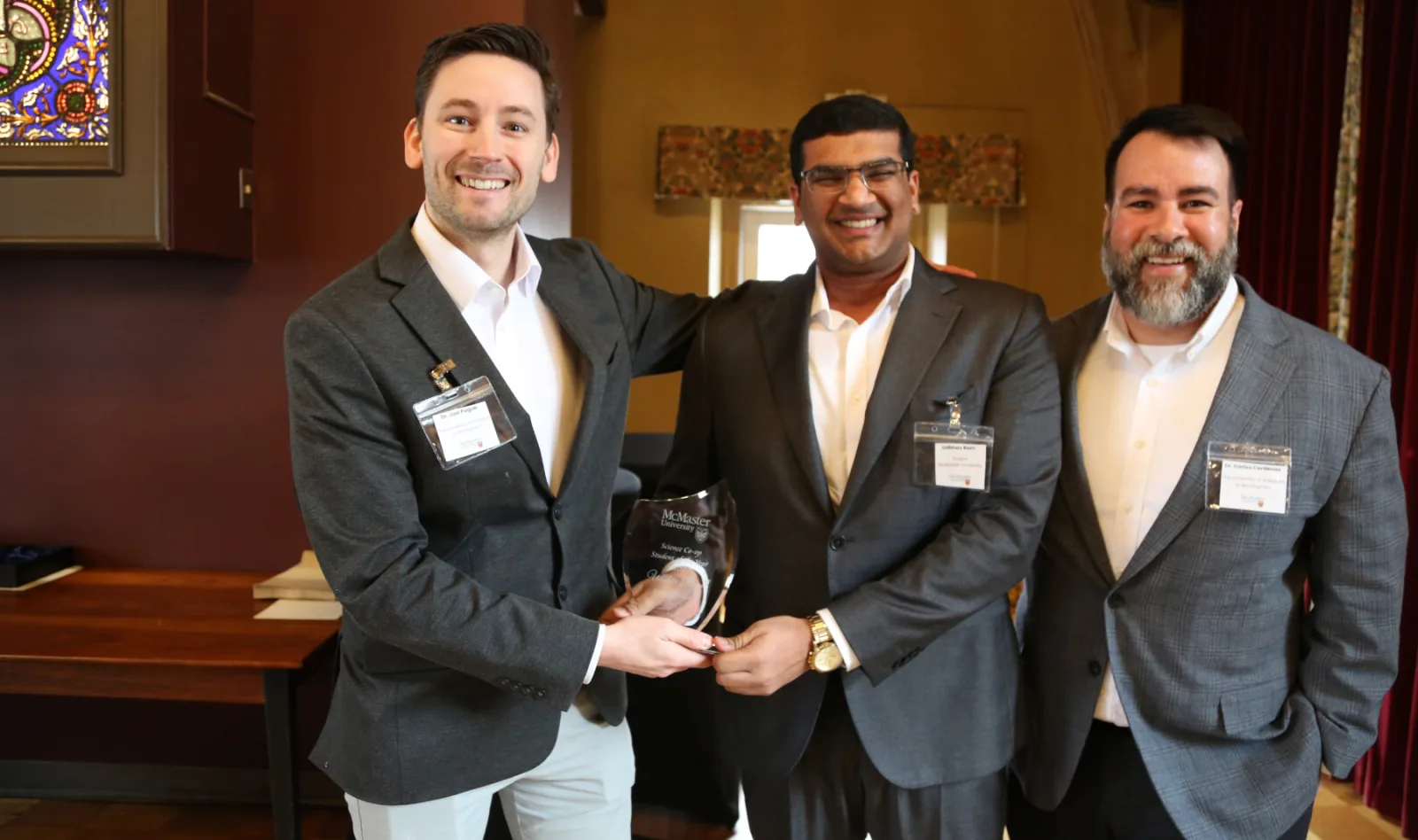
McMaster Science Co-op Student of the Year, 2026
Good mentors open doors. I want to hold them open.
My collaboration with Dr. Carlos Cardenas at UAB grew from remote research into a visiting-scholar experience in Birmingham. Along the way, I helped connect students and opportunities across UAB and McMaster.
Mentorship, ambassadorship, and teaching are part of how I hope to make a difference, too.
I work on tools that help clinicians make sense of medical images and plan radiation treatment. Here are three questions I’ve explored.
Language models · AAPM 2025
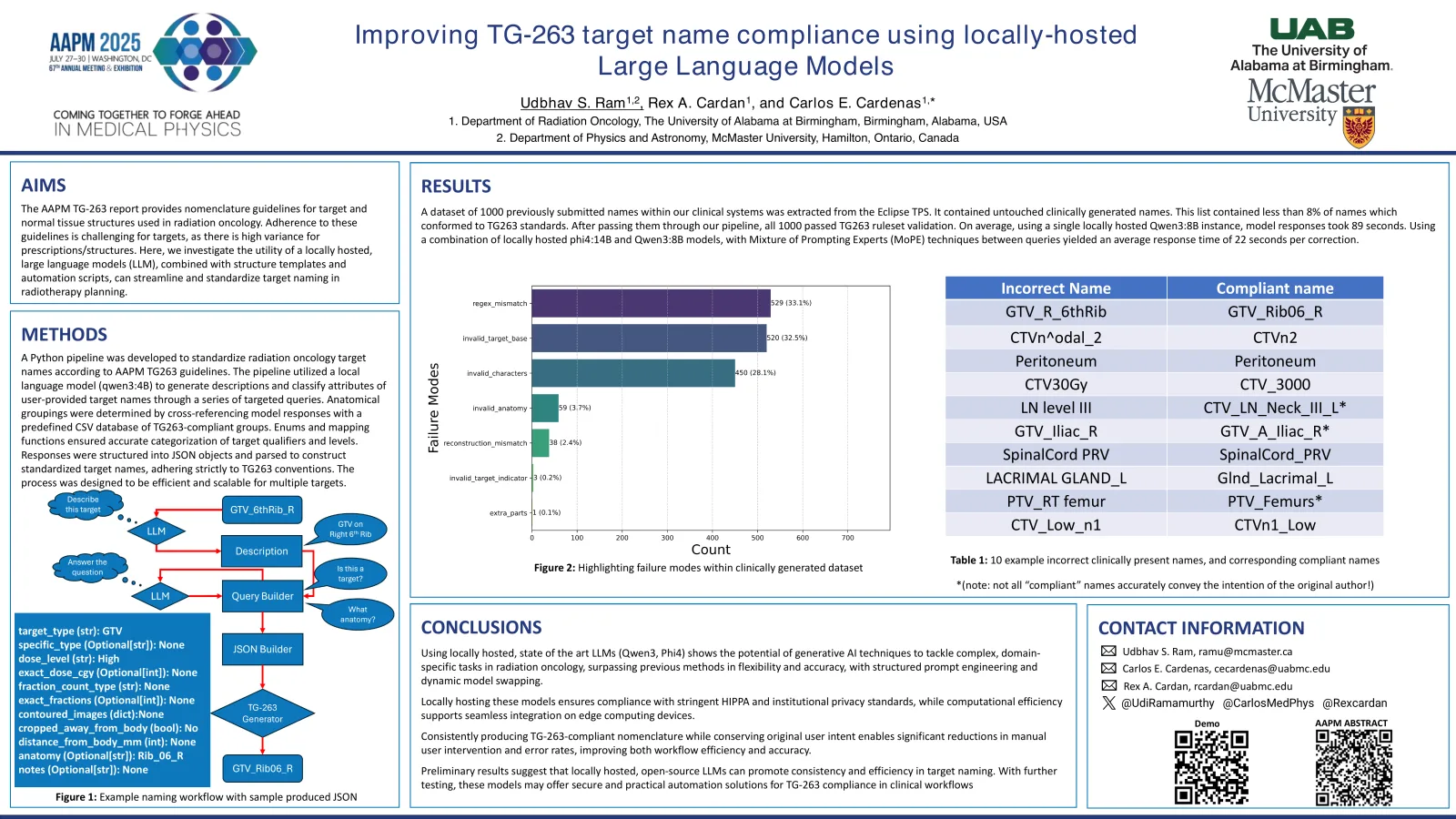
Helping AI speak the clinic’s language
Radiotherapy teams need consistent names for treatment targets. I explored how locally hosted language models can help standardize them, while keeping clinical meaning in view.
The pipeline evaluated 1,000 clinical names. All outputs passed the TG-263 naming rules, but some changed the intended meaning. The finding: rule compliance still needs clinical review.
Radiotherapy planning · JACMP 2025
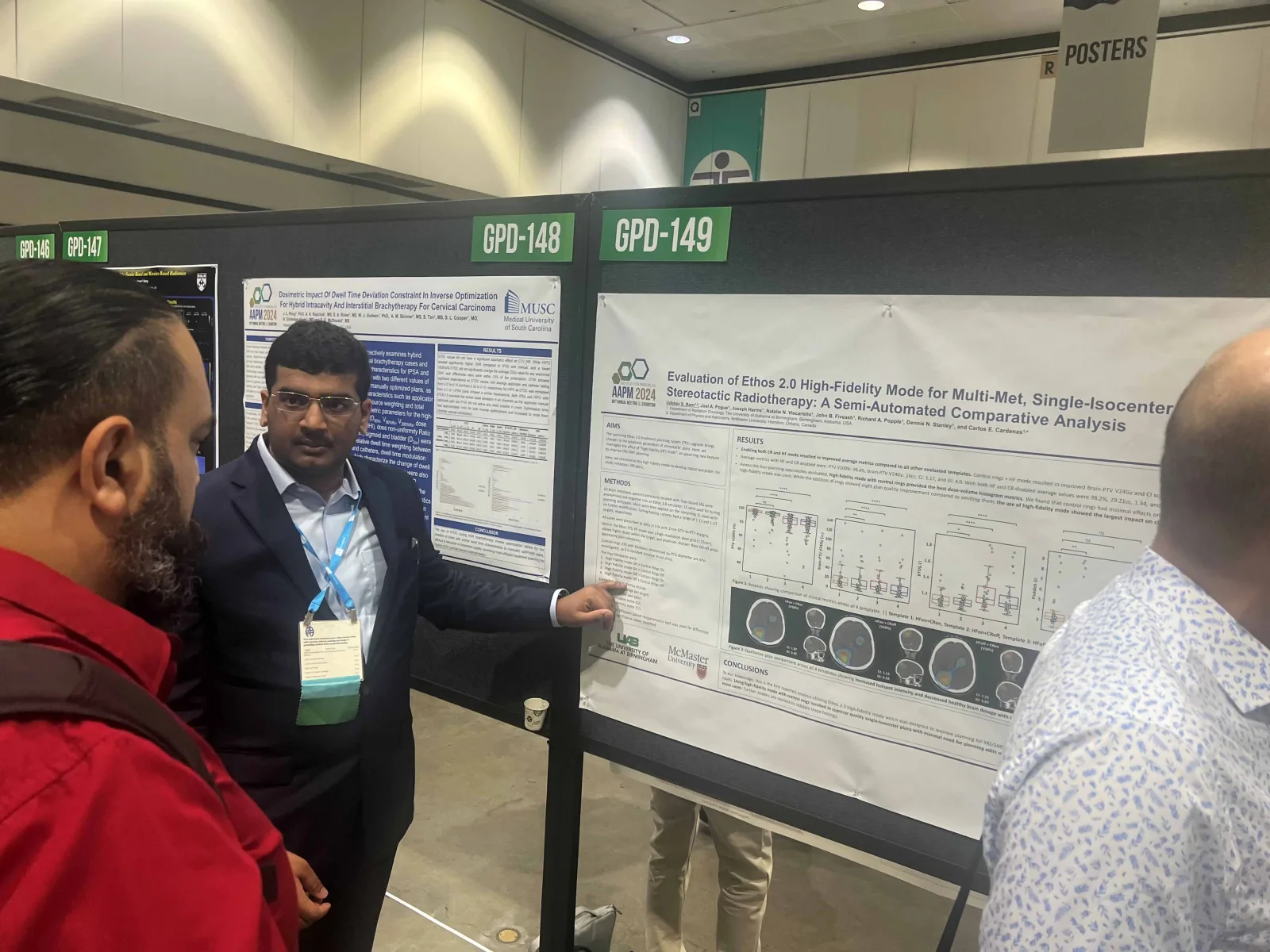
More precise treatment. Less dose beyond it.
How can treatment planning better protect healthy tissue? My first-author study compared four Ethos planning configurations for patients with multiple brain metastases.
Across 45 patients, high-fidelity mode with control rings improved conformity and dose falloff, reduced normal-tissue dose, and lowered plan complexity. This was a planning study, not a clinical-outcomes trial.
Medical imaging · Intelligent Oncology 2025
Measuring what makes a useful contour
An automatically drawn organ boundary needs to be useful to a clinician. I compared three deep-learning approaches using both quantitative measures and blinded physician review.
The study used 122 training and 72 holdout CT images, with three physicians reviewing 30 cases. Both AutoML frameworks outperformed SwinUNETR; physicians preferred nnU-Net over MONAI Auto3DSeg.
Co-authored a 40-patient study integrating prior treatment contours into follow-up MRI; average review time fell from 7.97 to 3.95 minutes. Published online in 2025; journal issue in 2026.
2025 · Journal of Applied Clinical Medical Physics
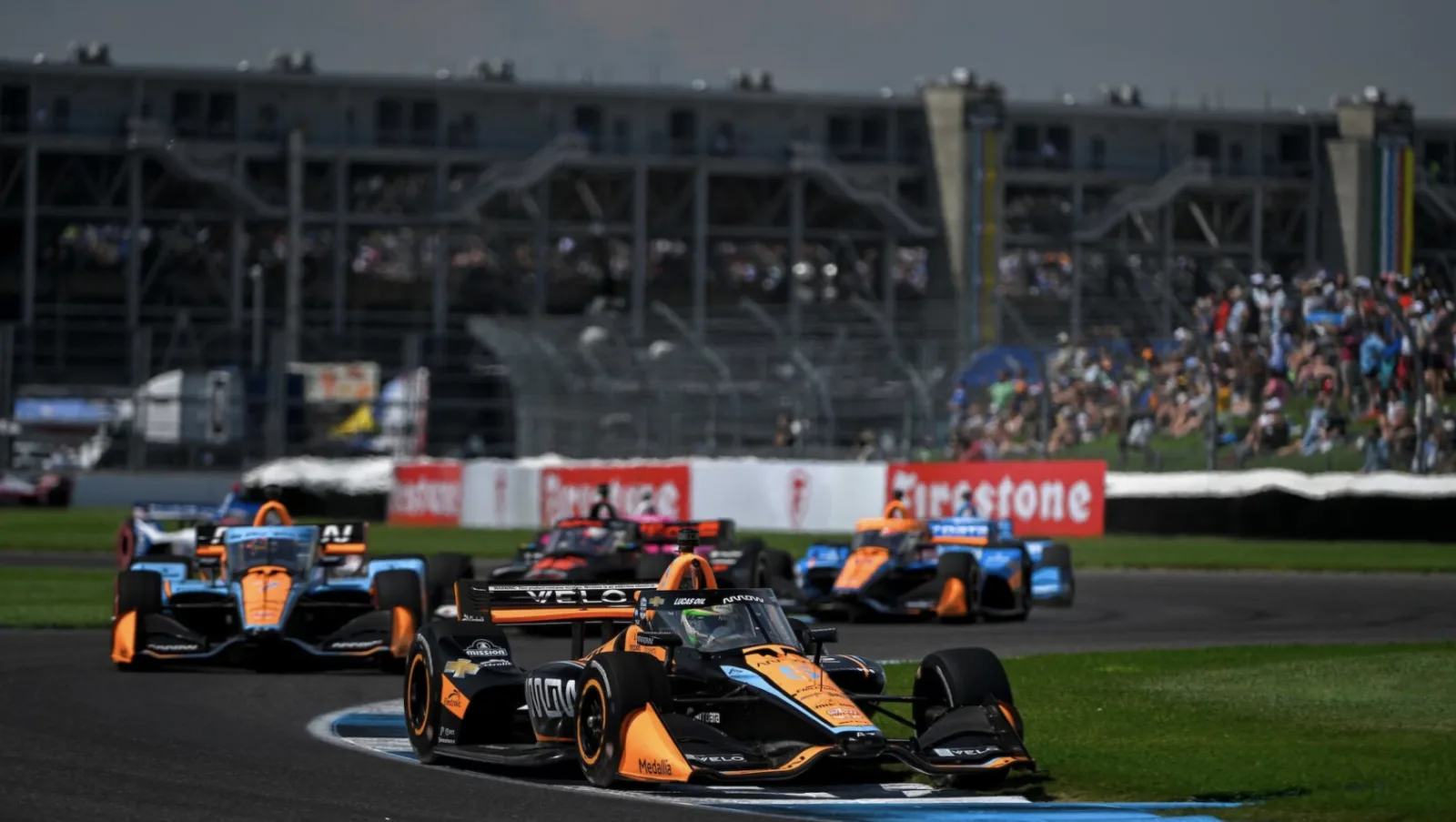
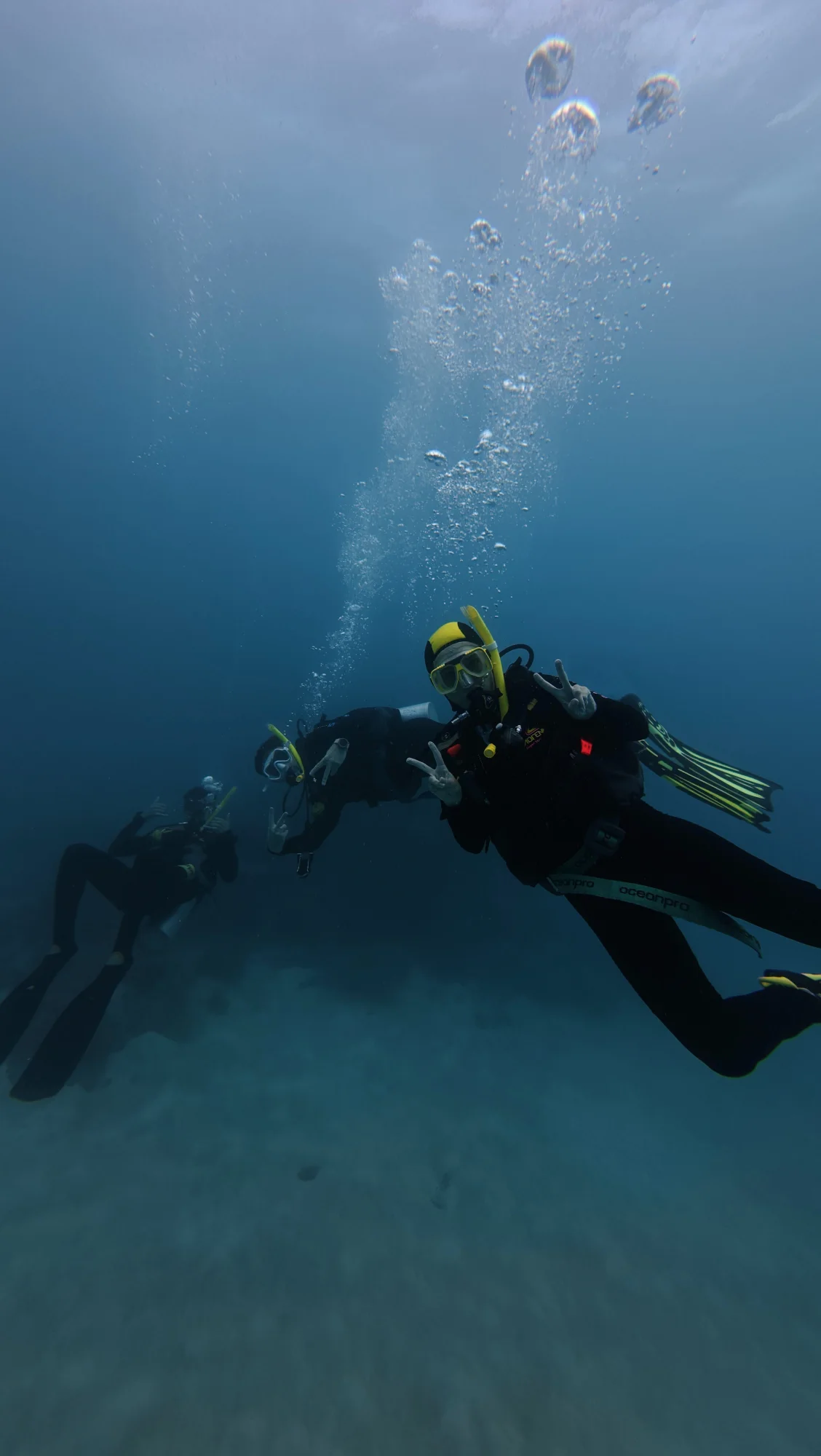
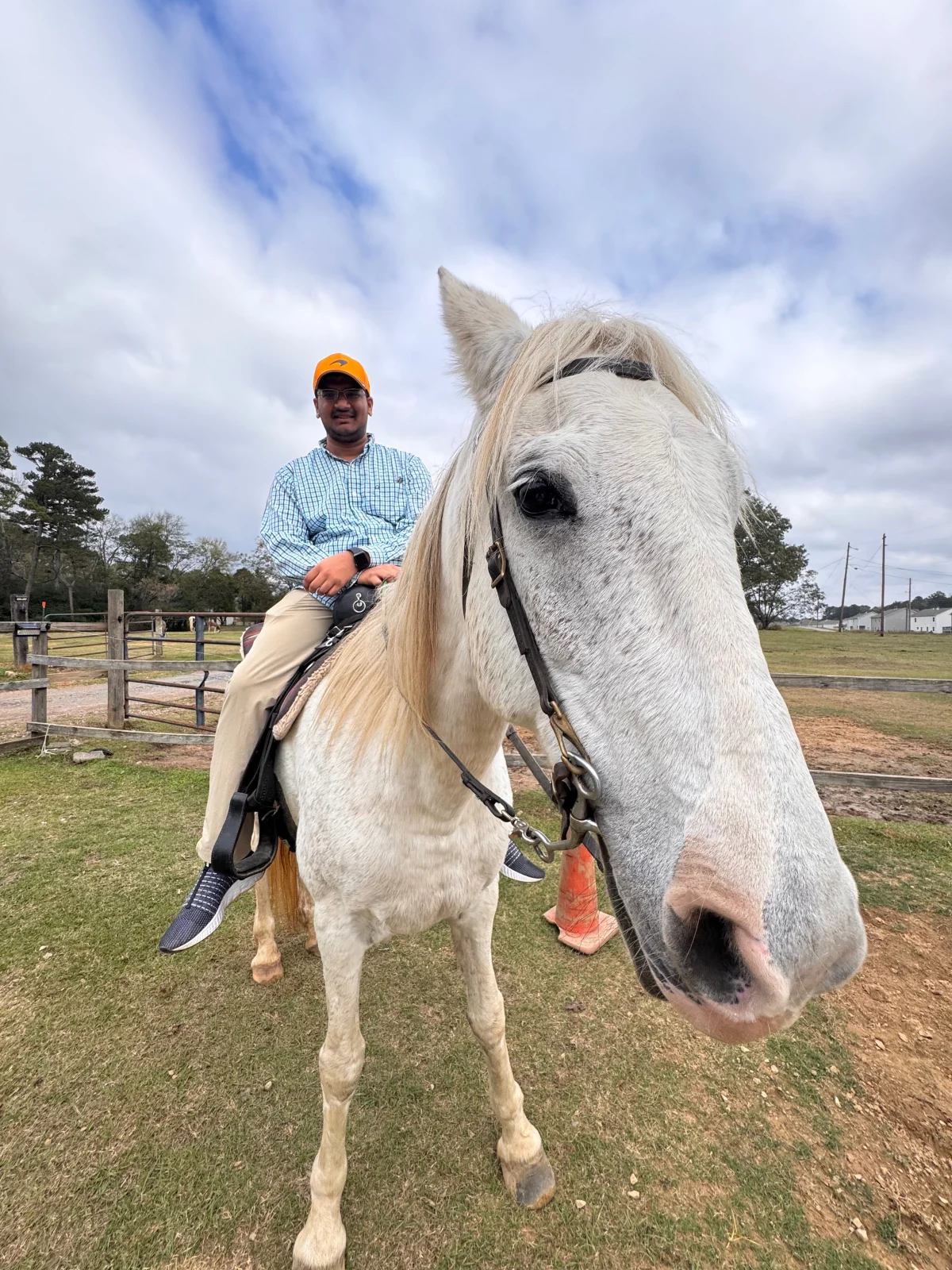
From race data to riding, diving, and making things, I like learning by doing.
In 2023, I took that curiosity to Arrow McLaren as a data-and-strategy intern. My motorsport experience also spans Formula SAE, Formula LGB, and the Polo Cup.